Microlocs vs. Sisterlocks: Understanding the Real Differences Before You Choose
Microlocs vs. Sisterlocks
If you're new to the loc community, you may be wondering what the real difference is between microlocs and Sisterlocks and which option is right for you. While microlocs and Sisterlocks may appear similar at first glance, they are not the same. Differences in installation method, size, grid pattern, certification requirements, cost, and long-term maintenance can significantly impact your loc journey.
Because the two styles can look nearly identical, many first-time clients find the terminology confusing. If you’re researching before committing, this guide will walk you through the key differences between microlocs and Sisterlocks — including pricing, retightening schedules, flexibility, and professional requirements, so you can make an informed and confident decision.
What Are Microlocs?
Microlocs are very small, lightweight locs that are significantly thinner in diameter than traditional locs. Because of their size, microlocs often resemble loose natural hair, offering a fuller, more versatile appearance while still maintaining the integrity of a locked style.
One of the defining characteristics of microlocs is installation flexibility. Unlike Sisterlocks, which follow a specific patented system, microlocs can be started using multiple techniques. The installation method you choose affects cost, maturation time, uniformity, volume, shrinkage, and long-term maintenance.
Below are the most common microlocs installation methods and what you can expect from each.
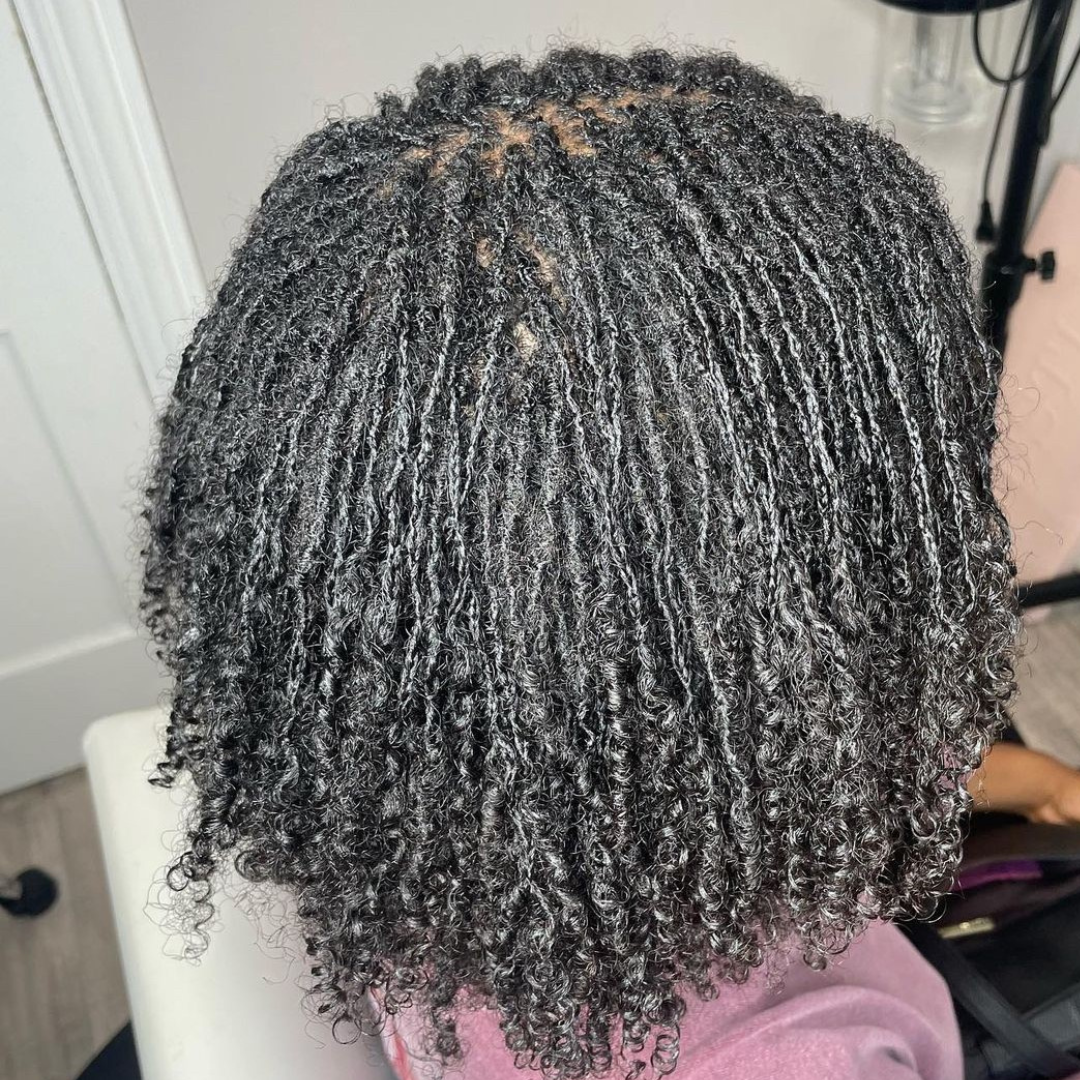
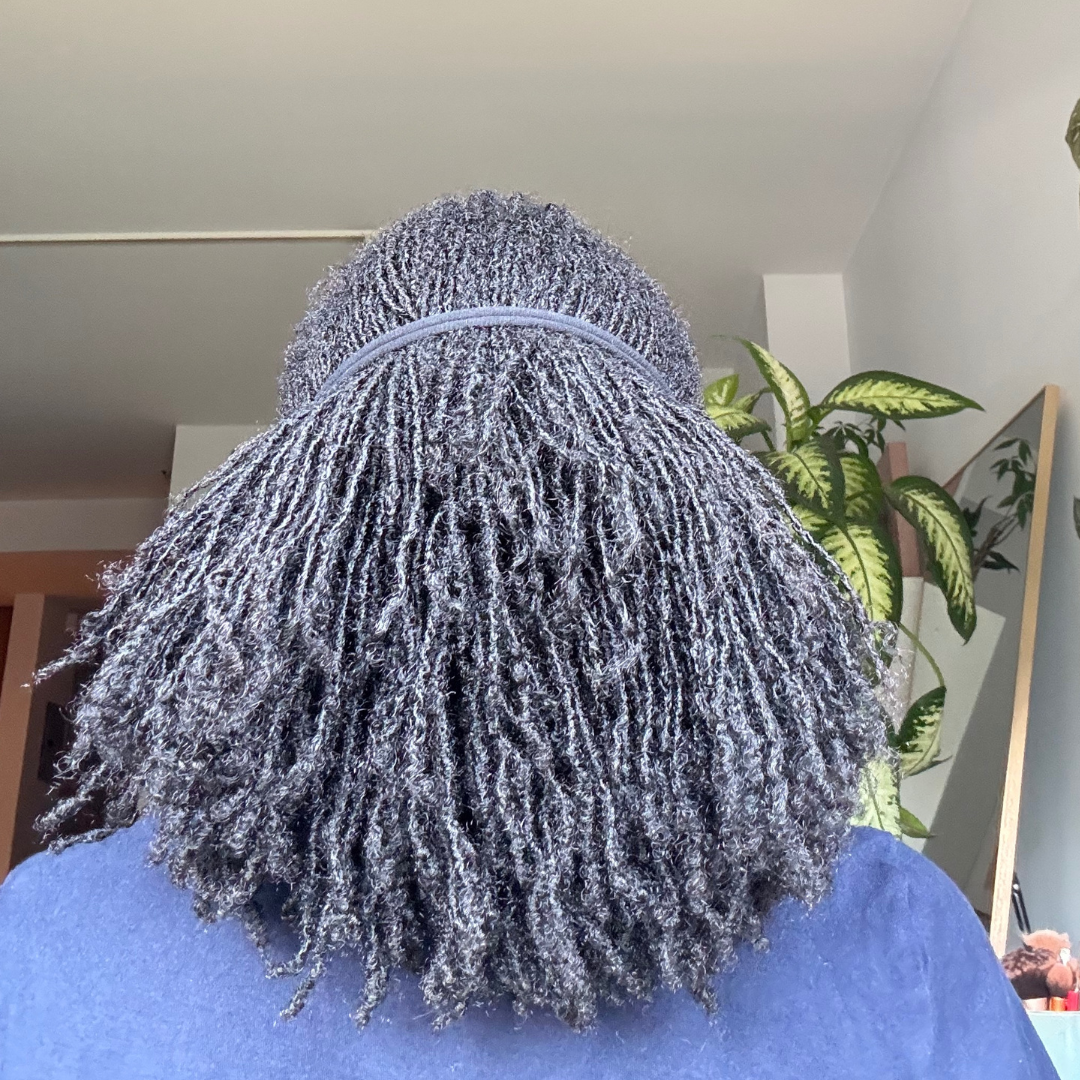
Interlocking
One of the most common ways to start microlocs is through interlocking. This method uses a tool to systematically knot the hair into itself, creating a tight and secure locking pattern from the tip to the root. Because the hair is condensed during installation, interlocked microlocs often appear very thin at first and can take around six months to show noticeable increases in volume. However, they tend to look the most uniform and polished over time. Interlocking is also the method that typically allows locs to mature the fastest, and they often appear “locked” early in the process, even before full maturation has occurred. Due to the technical precision and time required, this is often the most expensive installation method, but it works well for all hair textures.
Two-strand Twists
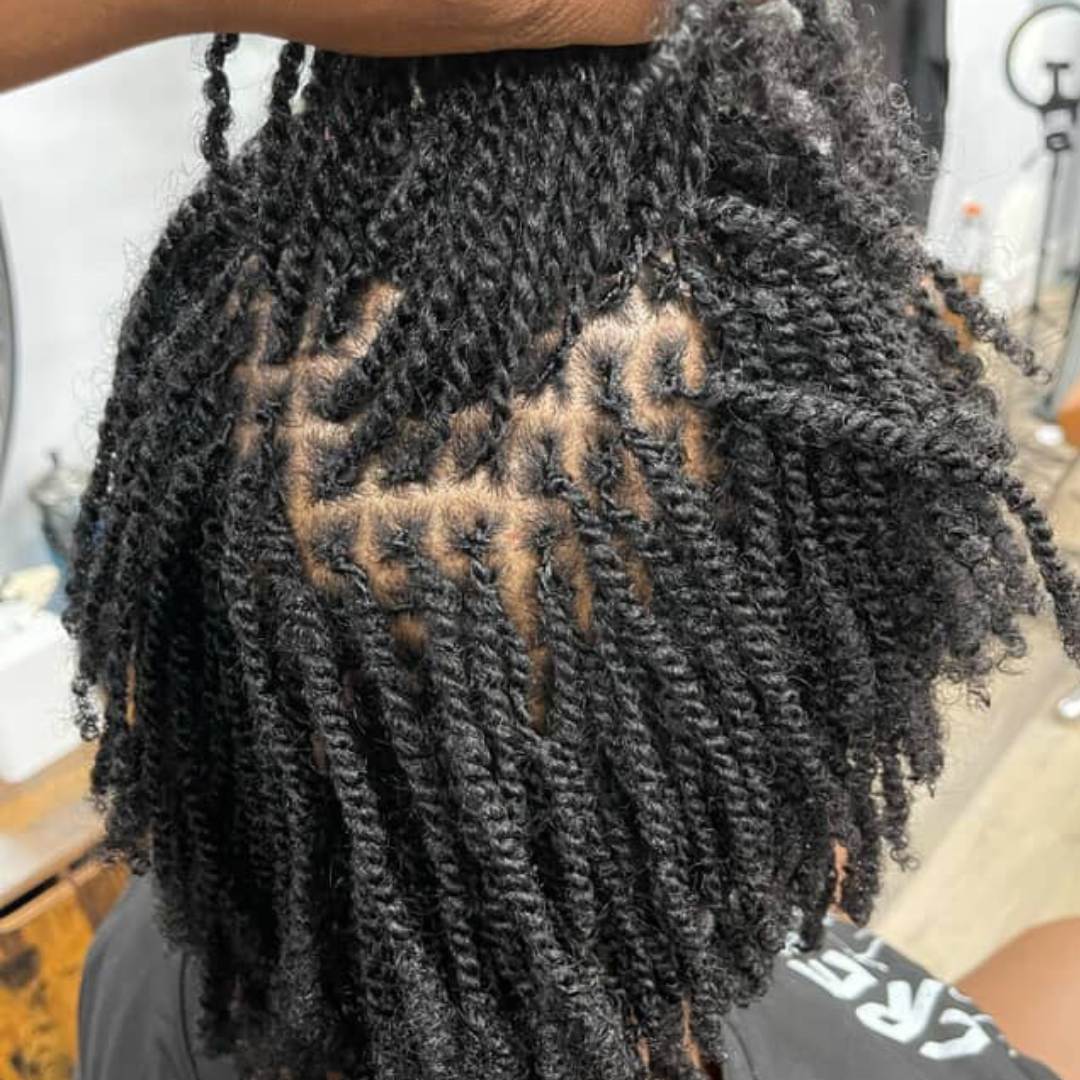
Another popular starting method is the two-strand twist technique. With this approach, the hair is twisted into two strands and usually secured at the root with interlocking. This method is often more affordable because it takes less time to install and is commonly chosen by those who prefer a fuller look at the beginning of their journey. Twists naturally expand when exposed to moisture, which can create early volume within the first three to four months. However, this method typically produces more shrinkage over time, meaning it may take longer to see visible length retention. Locs started with twists can also be less uniform, as the twisted ends may remain slightly thicker than the interlocked root area. For looser curl patterns, this method may be more prone to unraveling or bunching before the loc fully forms.
Braids
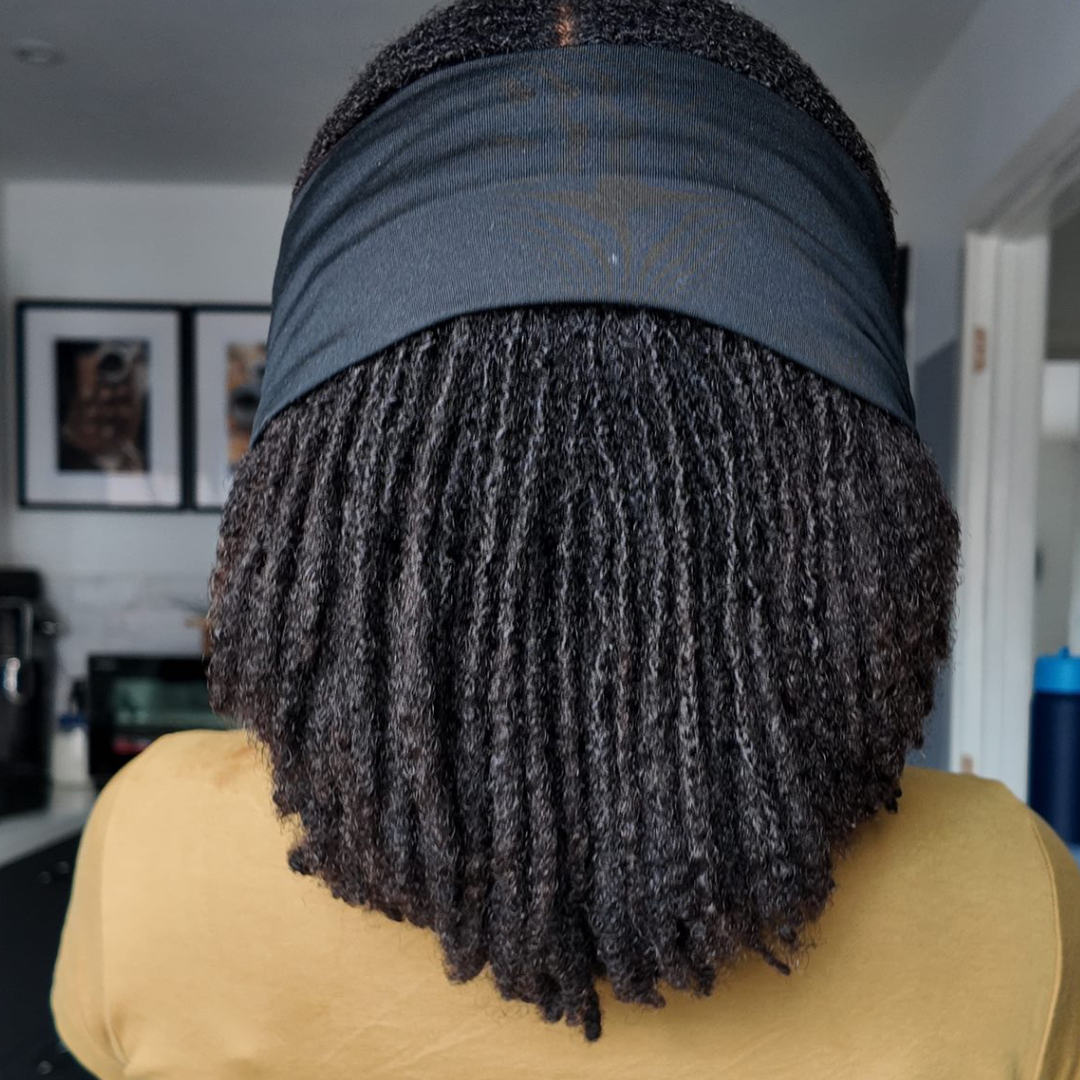
Microlocs can also be started using braids. With this technique, the hair is braided along the length of the shaft and secured at the root, often with interlocking. Braidlocs tend to show length sooner than twists because the hair is extended rather than coiled, resulting in less immediate shrinkage. However, the braid pattern can remain visible within the loc for one to two years before fully blending into a traditional loc appearance. Like twists, braid-started microlocs may appear slightly less uniform along the shaft, but they are suitable for all hair textures and are another method frequently chosen by those installing their locs themselves.
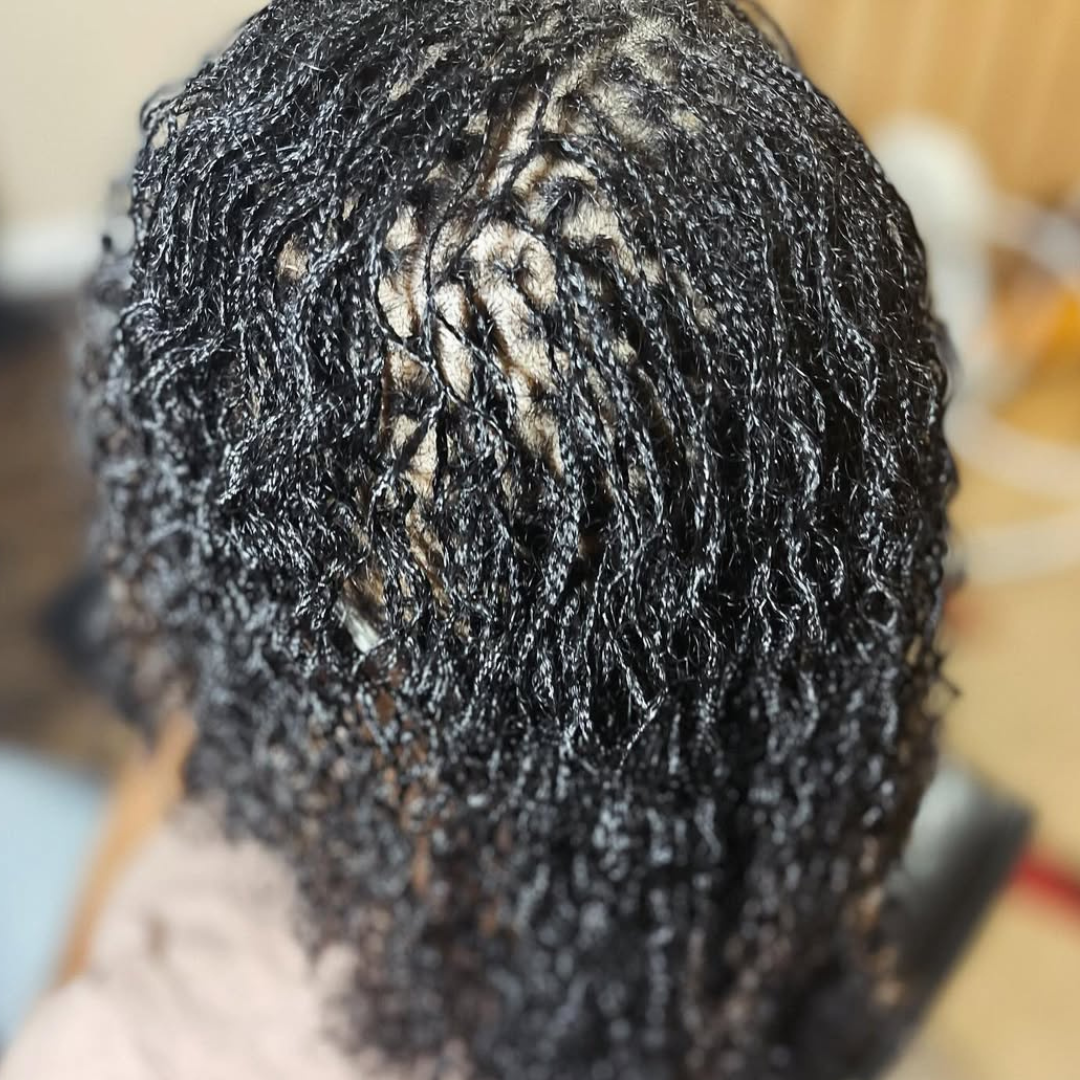

Ultimately, the method used to start microlocs plays a significant role in how your locs evolve. It affects cost, maturation time, shrinkage, uniformity, and overall appearance. While all of these techniques can result in beautiful, healthy microlocs, understanding their differences allows you to choose the approach that best aligns with your aesthetic preferences, lifestyle, and long-term goals.
What Are Sisterlocks?
Sisterlocks are a trademarked loc system that has been established for more than 30 years. Developed as a structured approach to small locs, Sisterlocks follow a specific, proprietary installation method that uses a precision parting grid and a specialized interlocking tool. What distinguishes Sisterlocks from other microloc techniques is that they can only be installed and maintained by Certified Sisterlocks Consultants who have completed official training through the Sisterlocks organization.
Historically, Sisterlocks were designed to be very small and uniform, typically resulting in approximately 400 locs on average, depending on hair density and head size. The system was known for its signature grid precision and fine diameter. However, with the introduction of Sisterlocks XL, sizing has expanded to allow for slightly larger locs, meaning the total loc count can vary and individual locs may appear thicker than the original traditional format. This evolution has broadened aesthetic options while still operating within the brand’s structured framework.
Because the name is trademarked, not every small loc installation qualifies as Sisterlocks. If a stylist has not trained directly through the Sisterlocks program and is not using the official grid pattern and tool, they cannot market their work under the Sisterlocks name. This distinction is important, especially for clients researching their options, as many small loc styles may look similar but are technically different systems.
Sisterlocks are installed exclusively using an interlocking technique. Unlike microlocs, which can be started with twists, braids, coils, or interlocking, Sisterlocks must follow the brand’s structured pattern from the beginning and are maintained using the same method. Retightening appointments typically occur every four to eight weeks to preserve the integrity of the grid and locking pattern.

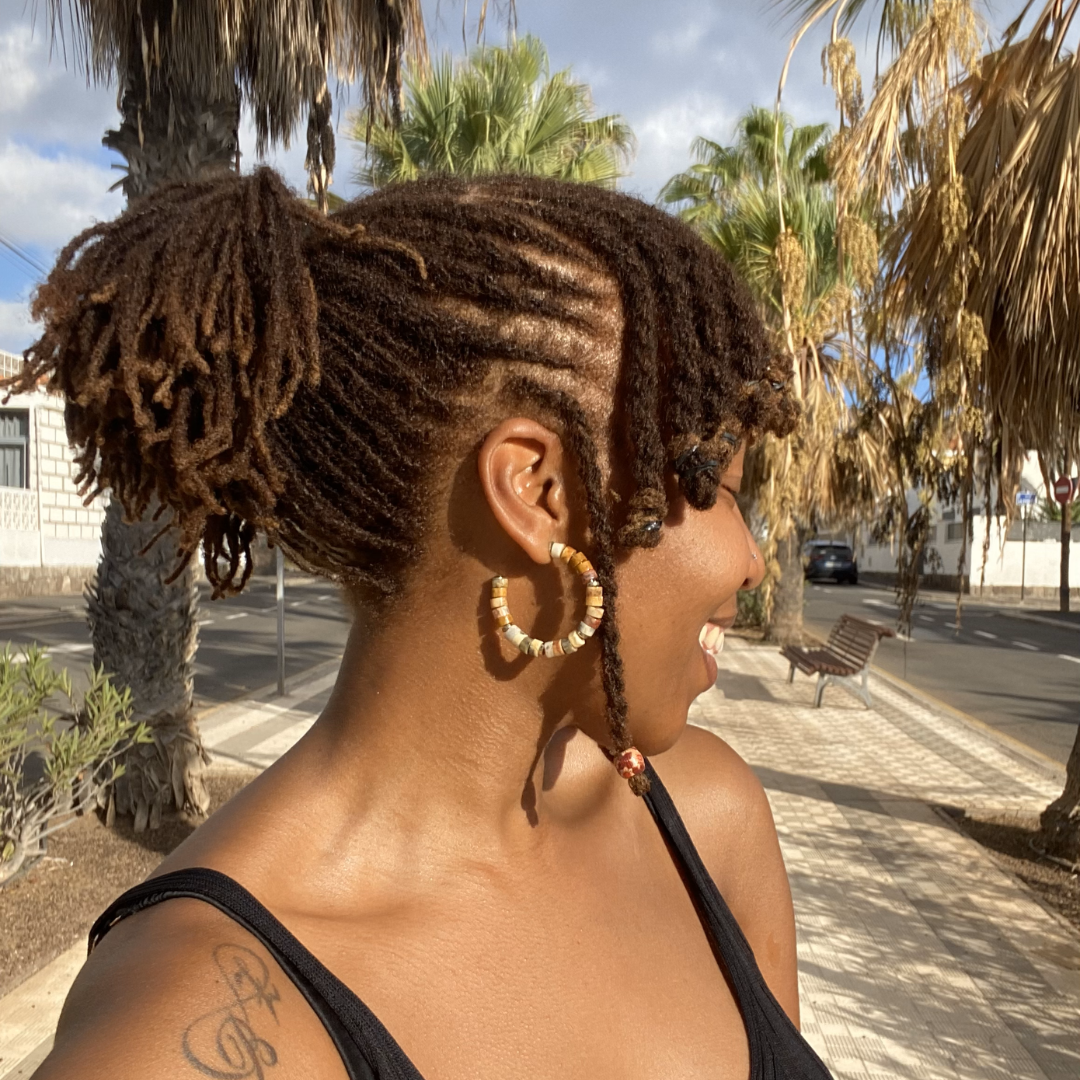
Due to their long-standing brand presence and strong recognition within the natural hair community, Sisterlocks often command a higher installation price. The cost reflects not only the time-intensive installation process but also the certification requirement and brand equity built over decades. However, a higher price does not automatically mean higher quality than microlocs. While the standardized training program is designed to promote consistency among consultants, the skill, precision, and professionalism of each practitioner should still be evaluated individually.
Ultimately, Sisterlocks represent a structured, trademarked small loc system with defined guidelines, certification requirements, and a long-established reputation. Understanding these distinctions helps clarify how Sisterlocks differ from microlocs and why the two are often compared.
Microlocs vs. Sisterlocks
While microlocs and Sisterlocks may appear similar visually, their structure, installation process, and long-term maintenance requirements differ in meaningful ways. The primary differences come down to certification, installation method, grid precision, flexibility, and cost. Understanding these distinctions can help you decide which system aligns best with your preferences, lifestyle, and budget.
Below is a simplified comparison of the most notable differences between microlocs and Sisterlocks:
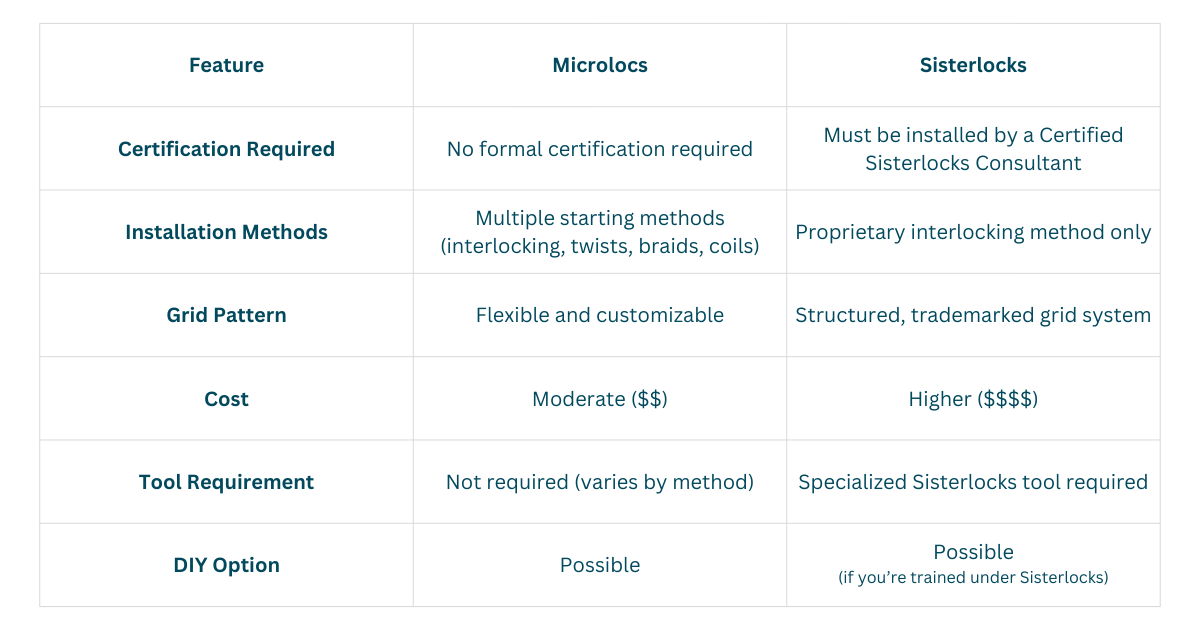
At a high level, microlocs offer more flexibility in how they are started and maintained, while Sisterlocks follow a standardized, trademarked system that requires certification and specific tools. Neither option is inherently better. The right choice depends on whether you prioritize structure and brand-backed consistency or customization and flexibility.
Cost Differences Between Microlocs & Sisterlocks
When comparing microlocs vs Sisterlocks, cost is often one of the biggest deciding factors. On average, Sisterlocks tend to cost approximately 10–30% more than microlocs that are started using the interlocking method. This price difference is largely attributed to the trademarked system, required certification, and the brand equity associated with the Sisterlocks name and training program.
Microlocs installation typically starts at around $1,000 for the first four to five inches of hair. From there, pricing generally increases based on length and density, with many locticians charging an additional $100 to $200 per extra inch of hair. The starting method also influences the total cost. Two-strand twists are usually the most affordable installation option because they require less time, followed by braids, with interlocking often being the most expensive due to the precision and labor involved.
Ongoing maintenance is another important financial consideration. Microlocs retightenings are typically scheduled every four to six weeks and cost an average of $180 per session. In major cities like New York, prices can be as high as $250. Waiting longer between appointments can increase the cost of maintenance, as additional time is required to address the greater amount of regrowth. Loc repairs, if needed, are usually priced separately.
Consultations are also an important part of the process. For microlocs, consultations are often recommended prior to installation and typically cost around $50. In contrast, Sisterlocks packages generally include the consultation, the initial establishment session, and the first retightening appointment (usually scheduled four weeks after installation) within their quoted price. Because Sisterlocks follow a standardized process, consultations are required before beginning the service.
While Sisterlocks may have a higher upfront investment, both microlocs and Sisterlocks require ongoing financial commitment. The total long-term cost ultimately depends on your hair length, city, maintenance frequency, and the professional you choose. Understanding both the initial installation fees and recurring maintenance expenses is essential when deciding which small loc system aligns best with your budget and lifestyle.
Can You Switch From Sisterlocks to Microlocs?
If you’re considering transitioning from Sisterlocks to microlocs, the shift is largely about terminology and maintenance rather than completely restarting your locs. Because Sisterlocks is a trademarked system, the name can only be used when the locs are installed and maintained according to the official Sisterlocks method by a Certified Sisterlocks Consultant. If you choose to stop following that system or no longer receive maintenance under a certified consultant, the locs would no longer technically be recognized as Sisterlocks under the brand’s guidelines.
In many cases, individuals who discontinue the formal Sisterlocks maintenance structure simply begin referring to their locs as microlocs. Since microlocs is a general term describing the size of the loc rather than a trademarked system, it offers more flexibility in how the hair is maintained moving forward.
However, the reverse is not true. Microlocs cannot be considered Sisterlocks unless they are fully removed and reinstalled by a Certified Sisterlocks Consultant using the official grid and proprietary technique. The Sisterlocks system requires a specific establishment process that cannot be retroactively applied to existing microlocs.
It’s also important to note that if Sisterlocks are combined, significantly altered, or extended in ways that deviate from the official pattern, they may no longer align with the brand’s formal standards. That said, as small loc styles have become more widely adopted, the terminology used within the community has evolved, and interpretations of these distinctions can vary socially, even if the trademark guidelines remain clear.
Ultimately, whether you continue under the Sisterlocks system or transition to maintaining your locs as microlocs, the health of your hair and the skill of your loctician remain the most important factors.
How to Find a Microlocs or Sisterlocks Loctician Near You
Once you’ve decided between microlocs and Sisterlocks, the next step is finding a qualified professional in your area. Whether you’re looking for a microlocs loctician near you or hoping to find a Sisterlocks consultant near you, choosing the right specialist is essential to ensuring a healthy and successful loc journey.
Start by determining which system you want. If you’ve chosen Sisterlocks, you’ll need to book with a Certified Sisterlocks Consultant who is trained in the official trademarked method. If you’re pursuing microlocs, you have more flexibility and can choose a loctician based on experience, aesthetic, pricing, and client results.
Get Microlocs Near Me was created as a centralized discovery platform to help clients connect with trusted small loc professionals in their state. Our directory allows you to browse microlocs specialists by location, explore featured listings, review their work, and access booking details, all in one place. While we are not affiliated with the Sisterlocks brand, we support individuals in finding professionals who offer microlocs services and, where applicable, certified Sisterlocks consultants.
To begin your search, you can explore microlocs professionals in your state using our state search pages. You can also browse even more locticians within our Get Microlocs Near Me app.
Choosing a loctician is a personal decision. Take time to review portfolios, schedule consultations, and ask questions about maintenance expectations, pricing, and long-term care. The right professional won’t just install your locs, they’ll support you throughout your journey.
Frequently Asked Questions About Microlocs vs. Sisterlocks
Are microlocs and Sisterlocks the same?
No, microlocs and Sisterlocks are not the same. Microlocs is a general term that refers to very small locs and can be installed using multiple methods. Sisterlocks is a trademarked loc system that follows a specific grid pattern and proprietary interlocking technique and must be installed by a Certified Sisterlocks Consultant.
Why are Sisterlocks more expensive?
Sisterlocks are typically more expensive because they require installation by a Certified Consultant trained under a trademarked system. The structured grid pattern, proprietary technique, certification requirement, and strong brand recognition contribute to higher installation costs compared to microlocs, which offer more flexibility in method and pricing.
Do microlocs look different from Sisterlocks?
In the later stages, microlocs and Sisterlocks can look very similar, especially to the untrained eye. However subtle differences may appear based on the installation method, size, grid precision, and maintenance approach. Sisterlocks tend to follow a more uniform, structured pattern, while microlocs may vary depending on how they were started.
Can anyone install microlocs?
Microlocs do not require formal certification, so they can be installed by experienced locticians or, in some cases, by individuals choosing to start them themselves. However, professional installation is recommended to ensure proper parting, scalp health, and long-term uniformity.
Do Sisterlocks require certification?
Yes. Sisterlocks must be installed and maintained by a Certified Sisterlocks Consultant who has completed official training through the Sisterlocks organization. Because the name is trademarked, stylists who are not certified cannot market their services as Sisterlocks.
Choosing between microlocs and Sisterlocks ultimately comes down to structure versus flexibility, certification versus customization, and what feels aligned with your lifestyle, budget, and long-term hair goals. Both options can result in beautiful, healthy small locs when installed and maintained properly. The most important decision isn’t just the system you choose, it’s the professional you trust with your hair. When you’re ready to take the next step, explore trusted microlocs specialists and certified consultants in your area through Get Microlocs Near Me and begin your loc journey with confidence.